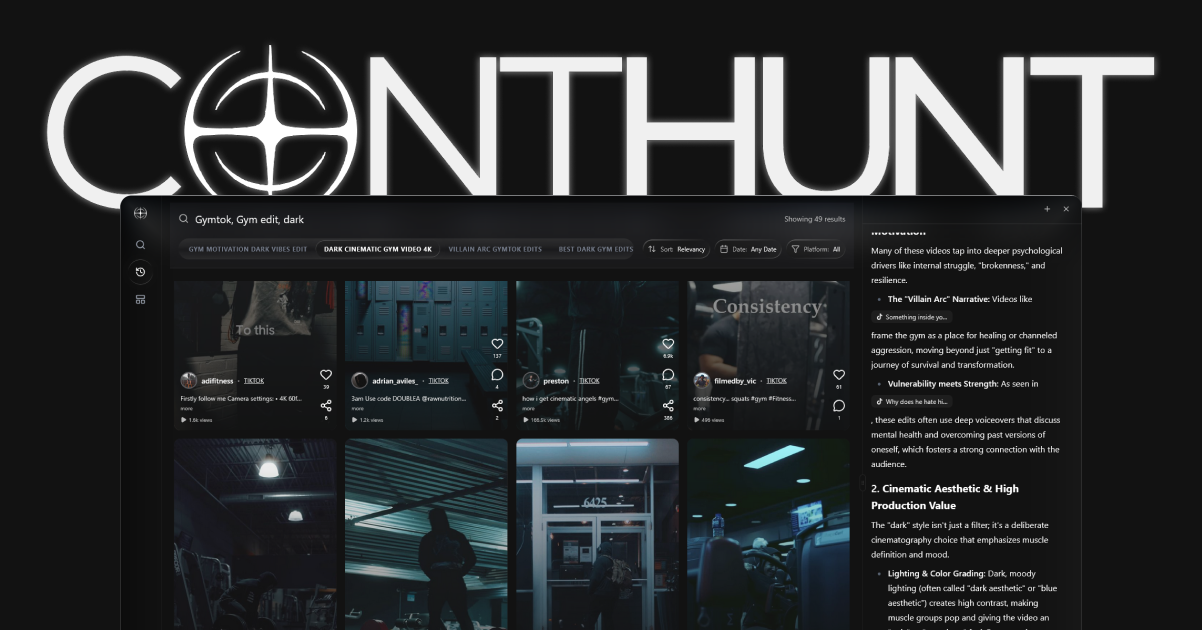
In the hyper-connected world of 2026, a “trend” is no longer a slow-moving wave—it is a high-velocity particle. For a business to survive, identifying these moves early is the different between leading a category and being obsolete before the quarter ends.
The key to 2026 market research is using the “Bottom-Up” approach: watching the small signals on social media before they become large-scale consumer shifts.
1. Social Intelligence vs. Social Listening
Traditional “social listening” tells you what happened yesterday. In 2026, you need Social Intelligence.
- The Signal-to-Noise Ratio: Don’t just track volume; track Acceleration. A keyword mentioned 100 times but growing at 50% per day is more valuable than a keyword mentioned 1,000 times that is flat.
- Audio Triggers: On platforms like TikTok and Shorts, the “sound” often precedes the “trend.” Identify the audio that is growing in your niche to predict the next content format.
2. Using AI for Predictive Analytics
AI models in 2026 can now synthesize millions of data points across diverse industries.
- Cross-Industry Mapping: Notice how a trend in “Skin Care” might eventually impact “Home Decor” trends (e.g., the rise of ‘clean girl’ aesthetics).
- Sentiment Shifts: Use AI to detect subtle changes in how people talk about your competitors. Are they frustrated with a specific feature? That is a market gap.
3. The “Content as a Test” Strategy
Stop guessing and start testing.
- Micro-Experimentation: Use your Short-form video platforms (Shorts, Reels) to test three different “Hooks” about a potential new product or service.
- The Data Payoff: The video with the highest Save Rate indicates the trend with the highest commercial potential.
4. Competitor “Ghosting” Analysis
In 2026, identifying where your competitors are not looking is as important as where they are.
- The Underserved Query: Use ContHunt to find the questions your competitors’ audiences are asking in the comments that remain unanswered.
- The Platform Gap: Are they ignoring a specific platform? That might be your “Blue Ocean.”
2026 Trend Identification Workflow
- Daily Pulse: Check your Social Velocity dashboard (ContHunt) for high-growth keywords.
- Weekly Deep-Dive: Cross-reference 3 high-growth social signals with Google Search trends.
- Monthly Strategy Pivot: Update your content and product roadmap based on the “Velocity Leaders.”
Conclusion
Identifying market trends in 2026 is a science of speed. By leveraging AI to filter the noise and focusing on the early signals in short-form video, you can position your business to catch the wave while your competitors are still reading last month’s reports. Don’t just watch the market—predict it.
Key data
- Trend Predictive Lead
- 42 Days — Average lead time gained by brands using social intelligence to predict consumer behavior shifts in 2026.
- Market Adaptability
- 3x ROI — Companies that pivot their content strategy based on identified trends see a 3x higher ROI on social spend compared to static strategies.