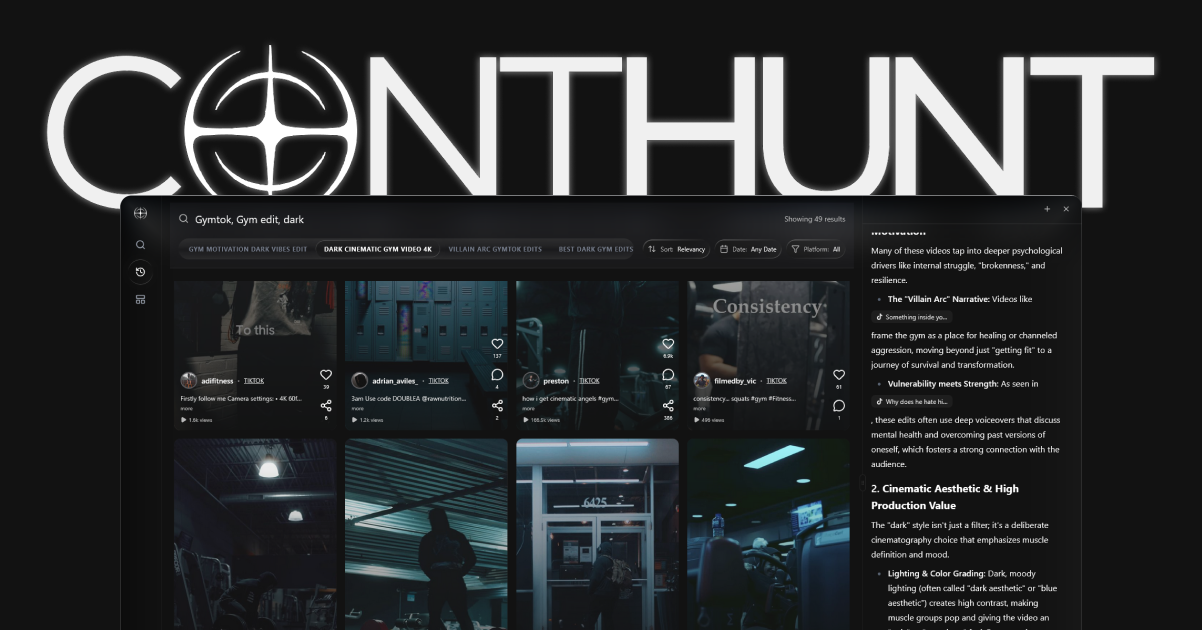
If you are posting short-form video in 2026, you are managing two vastly different algorithms. While the videos might look the same, the data behind them tells two very different stories. Understanding these nuances is the difference between a one-hit wonder and a sustainable channel.
1. TikTok: The “Interest Node” Philosophy
TikTok’s 2026 analytics are built around Interest Clusters.
- Node Penetration: Look at your “Audience Interests.” In 2026, TikTok tells you exactly which “Nodes” your video is hitting (e.g., #productivity or #startup-life).
- Instant Velocity: The “Real-Time” chart is king. If the line is vertical in the first 10 minutes, your “Vibration Score” is high, and you should prepare for a major push.
- Retention Detail: TikTok’s retention curve is optimized for “Looping.” A spike at the end of the video is the best signal for the algorithm.
2. YouTube Shorts: The “Search & Discovery” Hybrid
YouTube Shorts in 2026 are part of the broader Google ecosystem, making them far more “Searchable” than TikToks.
- Traffic Sources: Pay close attention to “YouTube Search.” If your Shorts are ranking for keywords, they will provide steady traffic for months, whereas TikToks typically “die” after 72 hours.
- Viewed vs. Swiped Away: This is the “Pass/Fail” metric of 2026. YouTube tells you precisely what percentage of users chose to stay. Aim for 70/30 in favor of views.
- Bridge Analytics: YouTube Studio shows how many Shorts viewers eventually converted to your Long-Form content. This is the ultimate metric for channel health.
3. Normalizing the Data with ContHunt
The biggest challenge for creators in 2026 is comparing “Apples to Oranges.”
- Standardized Benchmarking: ContHunt takes your TikTok views and your YouTube views and normalizes them based on your industry’s “Platform-Specific Average.” This tells you which platform is actually delivering the most “Relative Value.”
- Viral Cross-Pollination: Identify which of your TikTok hooks are ranking high on YouTube’s “Trending Shorts” shelf to optimize your repurposing strategy.
4. The 2026 Analytics Workflow
- Check TikTok Real-Time: 1 hour post-upload.
- Analyze YouTube ‘Swipe-Away’: 24 hours post-upload.
- Review ContHunt ‘Node Alignment’: Weekly, to shift your creative strategy.
- Audit YouTube Search Rankings: Monthly, for long-tail growth.
2026 Cross-Platform Audit Checklist
- [ ] TikTok: Did I hit my target Interest Node?
- [ ] YouTube: Is my ‘Viewed’ percentage above 60%?
- [ ] ContHunt: Which platform has a higher ‘Relative Success Index’ this week?
- [ ] Overall: Is my Short-Form content bridging to my long-term business goals?
Conclusion
TikTok and YouTube Shorts analytics in 2026 are two sides of the same coin. TikTok offers The Spark (rapid discovery), and YouTube Shorts offers The Flame (sustainable, searchable growth). By mastering both dashboards and using ContHunt as your single source of truth, you can navigate the 2026 social landscape with total confidence. Let the data lead the way.
Key data
- Retention Window
- 3 Seconds — The critical window in 2026 for both platforms to determine whether to include your video in the primary recommendation engine.
- Search Premium
- +150% — The average increase in long-term cumulative views for YouTube Shorts compared to TikToks of the same topic after 30 days.