YouTube titles can be up to 100 characters in 2026. That is the hard limit, but it is not the ideal target. Most creators should write shorter titles that make the topic and payoff obvious before the title gets truncated.
For Shorts, this matters even more. The title is not the whole package, but it helps YouTube understand the topic and helps viewers decide whether the video is worth opening from search, channel pages, or related surfaces.
1. YouTube Title Character Limit
The maximum YouTube title length is 100 characters.
Use the limit for edge cases, not as a goal. A title that uses all 100 characters often hides the promise, repeats the same keyword, or gets cut off on mobile.
Better title structure:
- Primary promise or keyword.
- Specific outcome.
- Context only if needed.
Example:
| Weak | Better |
|---|---|
| “My Full Guide to Everything I Learned About YouTube Shorts This Year” | “YouTube Shorts Hooks: 7 Fixes for Weak Retention” |
| “Important Instagram Reels Tips You Need to Know in 2026” | “Instagram Reels Best Practices: 9 Growth Fixes” |
| “How I Use Analytics Tools for Videos” | “YouTube Shorts Analytics: What to Check First” |
2. Optimal YouTube Title Length
A practical range is 45-70 characters. It gives you enough room for a clear topic and a reason to click without wasting space.
Use shorter titles when:
- the visual promise is obvious
- the video is a Short
- the keyword is simple
- the thumbnail or cover already carries context
Use longer titles when:
- the topic needs a qualifier
- the video is a comparison
- the audience needs a year, niche, or use case
- the title has to distinguish similar videos
3. YouTube Shorts Title Best Practices
Shorts titles should be direct:
- lead with the topic
- avoid vague curiosity
- keep the payoff visible
- use the same language as the hook
- skip filler like “you need to watch this”
Good Shorts title patterns:
- “3 YouTube Shorts Hook Mistakes”
- “Best Length for YouTube Shorts”
- “Instagram Reels Caption Fix”
- “Why This Thumbnail Gets Clicked”
If the title promises a data-backed answer, the video needs to show the evidence quickly.
4. Front-Load the Important Words
The first 40 characters matter most because they are most likely to survive truncation across mobile surfaces.
Put these early:
- platform: YouTube Shorts, Instagram Reels, TikTok
- topic: hashtags, thumbnails, analytics, competitor analysis
- outcome: more retention, better click-through, faster research
Put these later:
- year
- niche
- parenthetical context
- secondary angle
5. Match Title to Thumbnail and Video Length
A title is only one piece of packaging. Pair it with:
- YouTube Shorts Thumbnail Best Practices 2026
- How Long Can YouTube Shorts Be?
- YouTube Shorts Best Practices 2026
- YouTube Tags in 2026
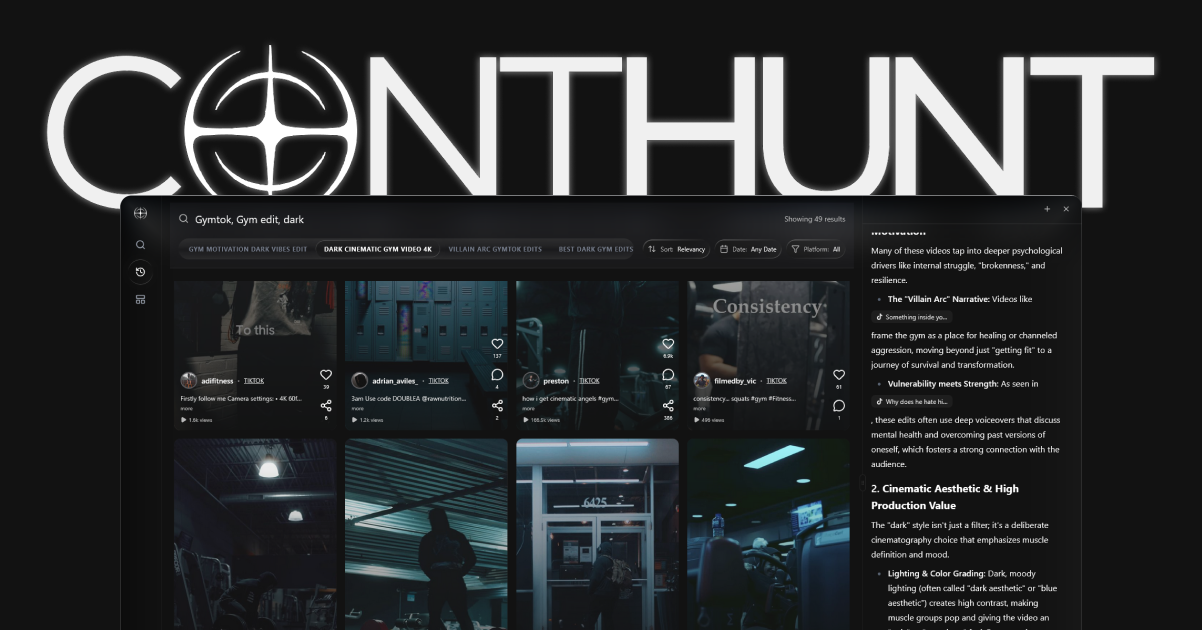
ContHunt Tip: Save titles from competitor Shorts that keep ranking after the initial feed spike. Those titles are usually clearer than viral-only titles that disappear after a day.
Checklist
- [ ] Is the title under 100 characters?
- [ ] Is the main promise visible in the first 40 characters?
- [ ] Does the title match the thumbnail or cover?
- [ ] Does the video deliver exactly what the title promises?
- [ ] Could a viewer understand the title on a phone in one second?
Conclusion
The YouTube title character limit is 100 characters, but most creators should write tighter. Aim for 45-70 characters, front-load the topic and payoff, and keep Shorts titles especially direct so search and browse viewers know exactly what they will get.
Key data
- Hard Limit
- 100 — Maximum YouTube title characters.
- Practical Range
- 45-70 — Enough room for promise, keyword, and context without bloating.
- Front Load
- First 40 — Put the most important words before likely truncation.
Sources
- Create and edit video details · YouTube Help